[email protected]
We conducted focus groups with around 100 young people in a variety of educational and youth settings across the County and asked them about how schools and youth services could help encourage increased resilience in young people with a view to providing recommendations for commissioning relevant services.
Social media is changing the way young people interact with each other. Using social media is amongst the most common activity of young people, with one research poll demonstrating that 22% of young people access social networking sites more than ten times a day.
Project SEARCH ensures that there is no break for students between school and work, so that students do not become unemployed at any point, and are transitioned into the identity of a working person. Students are based in the workplace, learn employability skills and go on work placements every day to prepare them for a real paid job.
This video showcases the Arts Connect programme run by Culture Shift in East Sussex and how they model good co-production with people with learning disabilities (the Arts Ambassadors). The Arts Ambassadors also work with the University of Brighton on resilience research and co-present this to academics, practitioners and others.
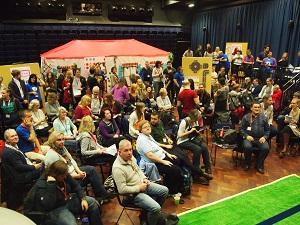
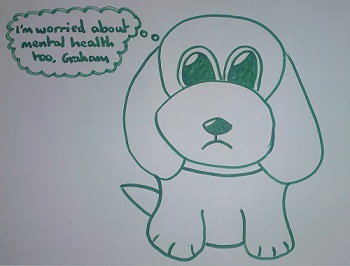
Angie reporting from the basement of a hotel in Málaga whilst the sun is shining outside. I’m at a mental health conference organised by the European Network for Mental Health Service Evaluation – ENMESH 2015. The conference is teeming with medical researcher types and psychologists. Granted they are hard workers.
Positive feelings contribute to greater resilience in various ways. Whereas negative emotions tend to narrow attention to the source of the negative feelings, positive emotions do the reverse, broadening people’s ideas about options for actions, they build hope and other personal resources that support resilience.